
Relief vet or permanent associate? The real math for clinic owners (2026)
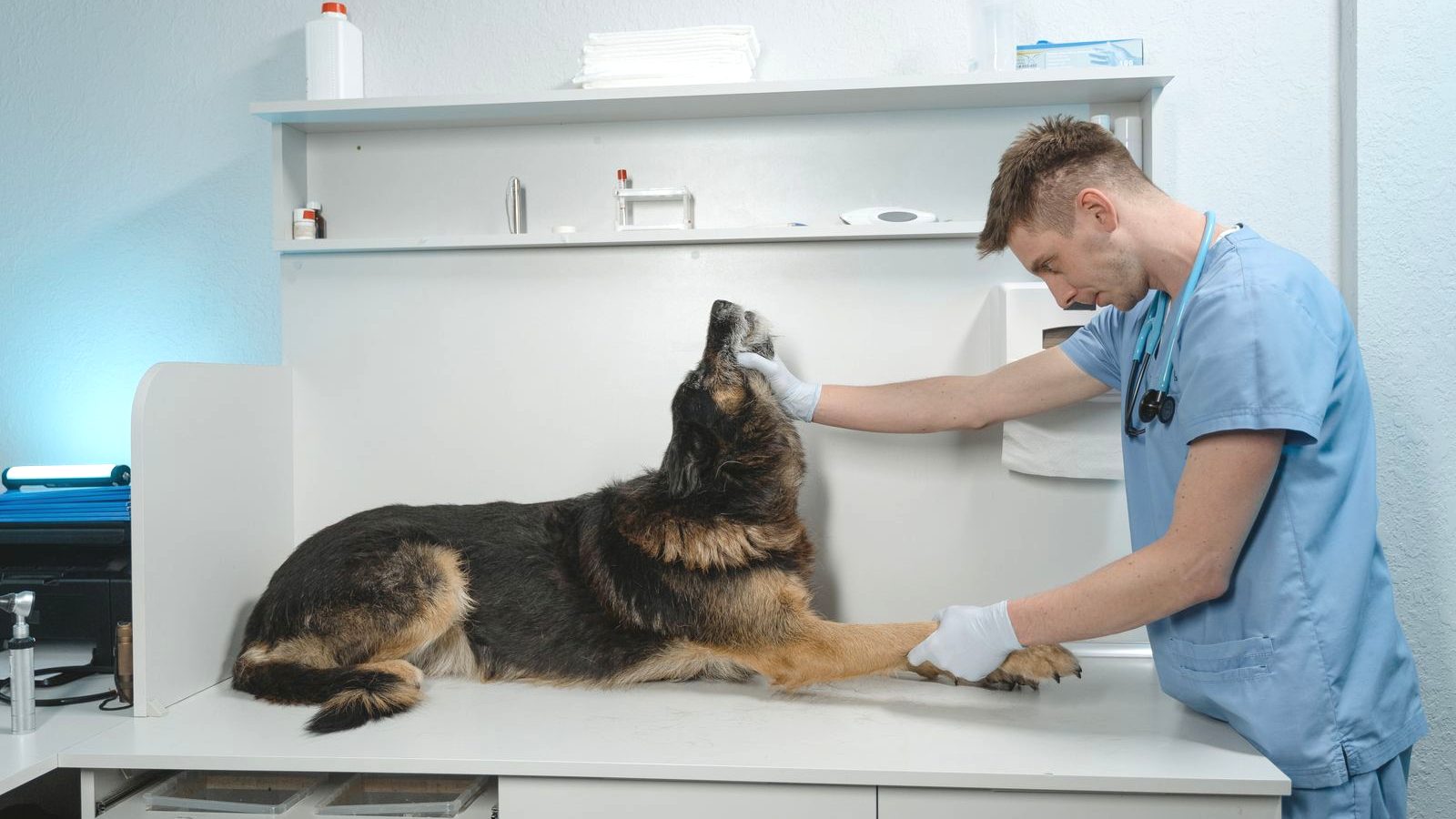
The short answer: published 2026 rate guides from relief staffing platforms put general practice relief coverage at roughly $600 to $1,000 per day, with last-minute, weekend and emergency shifts pushing past $1,500. A permanent associate at the national median salary costs a practice roughly $180,000 a year once benefits are counted. Run both numbers per hour of coverage and they land closer together than most owners expect. The real difference is not the day rate. It is everything the day rate does not buy.
Relief staffing is the right tool for a real and specific set of problems, and we will be straight about what those are. It is the wrong tool for the problem most clinics are actually using it for in 2026, which is an associate seat that has been open for months with no end date.
What relief coverage actually costs
One honest caveat before the numbers: there is no current official survey of relief rates. The AVMA has documented the trend, reporting that the number of relief and locum veterinarians grew about 30 percent between 2008 and 2018, but the current market rates below come from the published rate guides of the relief staffing platforms themselves. Treat them as the market's asking price, then replace them with the quotes coming into your own inbox.
For general practice, those guides cluster around $600 to $1,000 per day, or roughly $55 to $125 per hour. Emergency and specialty shifts run $125 to $165 an hour and up. Last-minute coverage, holidays and weekends carry premiums on top, and a shift booked through an agency rather than directly with the doctor carries the agency's margin on top of that.
Annualize the midpoint and the shape of the problem appears. Four shifts a week at $800 a day for fifty weeks is $160,000 a year. At $1,000 a day it is $200,000. If you are leaning on last-minute bookings, which is exactly what an unplanned vacancy forces, a year of coverage can pass $250,000. That is coverage only. Nothing about the seat has been filled.
What a permanent associate actually costs
The national median veterinarian salary is $125,510 according to the Bureau of Labor Statistics (May 2024). Salary is not the full cost of an employee, so load it honestly: the BLS Employer Costs for Employee Compensation data for March 2026 shows wages making up 69.9 percent of what private employers actually spend per hour, with benefits making up the remaining 30.1 percent. Apply that ratio and a median-salary associate costs the practice roughly $180,000 a year all-in.
Add the cost of getting the hire made. Contingency recruiters typically charge 20 to 30 percent of first-year salary, roughly $25,000 to $37,000 at the median, paid once. We cover those fee structures and the contract terms that matter more than the percentage in our guide to veterinary staffing agency fees.
So the first-year totals sit near each other: roughly $205,000 to $217,000 for a recruited associate against $160,000 to $250,000 or more for a year of relief coverage, depending on how much of it was booked in a hurry. Anyone telling you relief is triple the cost of employment is selling something. The day-rate math alone does not settle this question, which is why the next section is the one that matters.
What the day rate does not buy
The first missing piece is production growth. An employed doctor builds a client list that compounds: rechecks, dentals, chronic cases, referrals from clients who ask for that doctor by name. The average practice generates $554,982 in gross revenue per veterinarian per year according to AVMA benchmarking data, and that figure is built on continuity. A relief doctor sees the appointments on the schedule and leaves. Every relationship built during a relief shift walks out the door at the end of it, and a practice running on rotating coverage holds its schedule flat at best while the practice down the road grows.
The second is continuity of care. Chronic and complex cases managed by a different doctor every few weeks generate repeated workups, missed context and client frustration. Some of those clients drift, and the AVMA's own data shows active clients per practice already declining year over year. A vacancy bridged by rotating faces converts a temporary capacity problem into permanent attrition quietly, which is the most expensive way to lose revenue because it never shows up as a line item.
The third is availability risk. Your relief doctor has other clinics bidding for the same days. Every school holiday, conference week and flu season, the coverage you were counting on can evaporate with a text message, and the replacement shift gets booked at the last-minute premium. An employee's schedule is yours. A contractor's schedule is a market.
When relief is exactly the right call
None of this makes relief staffing a bad product. It is the right tool when the gap has a known end date: parental leave, medical leave, a sabbatical, a planned surgery. It is the right tool for burnout protection, giving a solo doctor their first real vacation in years. It is the right tool while a signed new hire works through licensure, and it is the right tool in the first weeks after a sudden departure, while you organize a real search instead of panic-hiring.
The pattern in every good use case is the same: relief is a bridge, and a bridge needs a far side. The failure mode is relief coverage as a permanent staffing model, month after month at market day rates, with the vacancy math from our empty DVM seat analysis running silently underneath the whole time.
The far side of the bridge
If the seat has no end date because domestic recruiting has produced nothing, the problem is not your recruiter. The pool of licensed US veterinarians actively looking to move is small, and every recruiter is fishing in it. Recruiters move doctors between clinics; they do not add doctors to the market.
The channel that adds doctors is international hiring. Veterinarian is a listed profession under the USMCA trade agreement, so licensed veterinarians from Mexico and Canada qualify for the TN visa, with no lottery and no annual cap. Graduates of AVMA-accredited programs, which includes every Canadian veterinary school and UNAM's 2011 to 2025 accreditation window, take the same NAVLE licensing exam as US graduates. Our complete guide to hiring an international veterinarian walks through the timeline, the costs and the mistakes to avoid.
The practical play for a clinic burning relief budget right now is to run both tracks at once: keep the bridge shifts that protect your schedule, and start the pipeline that ends them. Relief spending you can see the end of is a staffing cost. Relief spending with no end date is a strategy problem wearing a staffing costume.
Sources
Median veterinarian salary from the US Bureau of Labor Statistics, Occupational Employment and Wage Statistics, May 2024. Employer benefit cost ratios from the BLS Employer Costs for Employee Compensation release, March 2026. Relief and locum workforce growth from AVMA survey data. Revenue per veterinarian from the AVMA's 2025 Veterinary Practice Owners Survey. Current relief day and hourly rates from published 2026 rate guides of US relief staffing platforms; no official current survey of relief rates exists, so verify against live quotes for your market.
Questions clinics ask
How much does a relief veterinarian cost per day in 2026?
Published 2026 rate guides from relief staffing platforms put general practice relief at roughly $600 to $1,000 per day, with emergency, specialty and last-minute shifts pushing past $1,500. Shifts booked through an agency carry a margin on top. There is no current official survey of relief rates, so treat these as the market's asking price and check quotes in your own market.
Is relief veterinary staffing cheaper than hiring a full-time associate?
Per hour of coverage the numbers are closer than most owners expect: a year of four-shift weeks at market day rates runs $160,000 to $250,000 or more, against roughly $180,000 fully loaded for a median-salary associate. The real gap is what the day rate does not buy: client relationships, continuity of care and production growth all leave with the relief doctor.
When does hiring a relief veterinarian make sense?
When the gap has a known end date: parental or medical leave, a sabbatical, vacation coverage for a solo doctor, or bridging the weeks while a signed hire finishes licensure. Relief is a bridge. The expensive mistake is using it as a permanent staffing model for a seat with no end date.
What should a clinic do when relief coverage has no end in sight?
Run two tracks at once: keep the shifts that protect the schedule, and open a hiring channel that actually adds candidates instead of recycling the same domestic pool. Licensed veterinarians from Mexico and Canada qualify for the TN visa with no lottery and no cap, and VetBridge manages that pipeline end to end for clinics.